How do I choose the right thickness for mailing bags to ensure they don't tear during international shipping?
- VIP-User
- 2026-06-30
- 29
To prevent mailing bags from tearing during international shipping, select a thickness based on the item weight and material. Lightweight apparel requires 50 to 60 microns (2.0 to 2.4 mil), medium-sized goods require 65 to 80 microns (2.5 to 3.1 mil), and heavy or sharp items require 90 to 120 microns (3.5 to 4.7 mil) co-extruded or bubble-padded mailers.
Core Solutions & Key Takeaways
- Lightweight Soft Goods: Use 50–60 microns co-extruded poly mailers for items like shirts and apparel to optimize shipping weight.
- Fragile or Rigid Items: Utilize bubble courier bags featuring integrated bubble linings to provide shock resistance and puncture protection during long-distance transit.
- Heavy-Duty Logistics: Deploy 90–120 microns heavy-duty co-extruded mailing bags for items with sharp edges or high weight density.
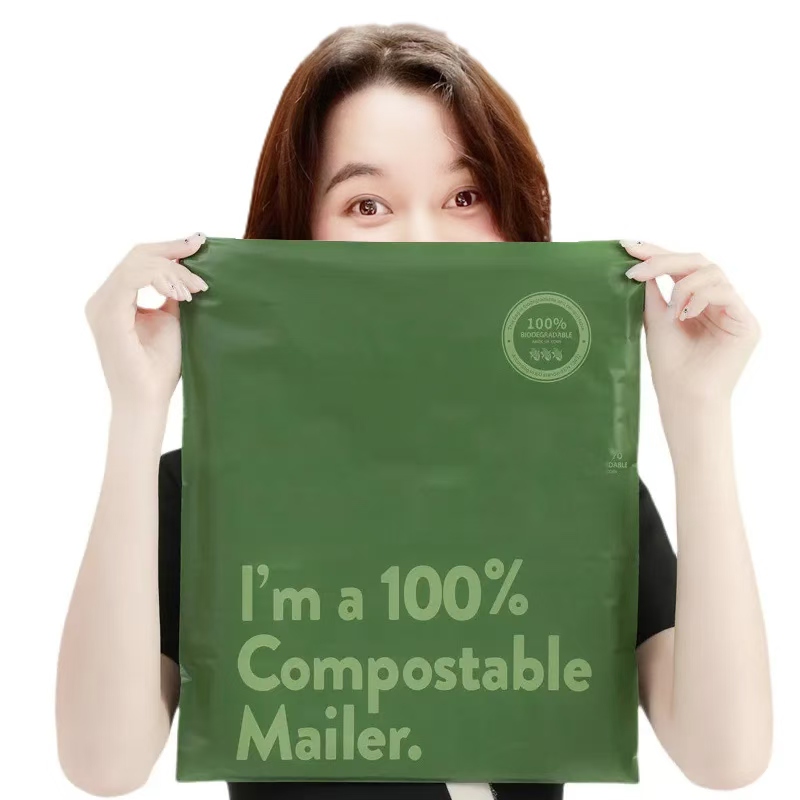
- Environmental Compliance: Implement biodegradable courier bags and compostable mailer bags of at least 60 microns to maintain eco-friendly standards without sacrificing tensile strength.
Detailed Architectural/Principle Analysis
Poly mailers utilize multiple layers of polyethylene (LDPE/HDPE) blown together using co-extrusion technology to create a multi-directional grain. This structural design distributes stress evenly, preventing punctures. For transit safety, thickness directly correlates with tear propagation resistance. In international shipping, parcels undergo automated sorting, belt drops, and compression, making proper gauge selection vital.

Materials certified under FSC CoC, ISO 9001, and EU REACH compliance demonstrate standardized physical performance and uniform thickness distribution, mitigating localized structural failure. Cross-border e-commerce platforms like Ozon utilize millions of customized courier bags for secure cross-border parcel delivery, proving that proper gauge selection prevents transit damage under high-volume handling.
Data/Solution Comparison
| Bag Type | Target Thickness (Microns / Mil) | Puncture Resistance | Recommended Application | Padded Protection |
|---|---|---|---|---|
| Standard Poly Mailer | 50–60 μm (2.0–2.4 mil) | Medium | Apparel, textiles, soft goods | None |
| Compostable Mailer Bag | 60–70 μm (2.4–2.8 mil) | Medium-High | Eco-conscious retail, organic garments | None |
| Bubble Mailer / Kraft Bubble Bag | 70–90 μm + Bubble lining | High | Electronic accessories, cosmetics, small gifts | High (Integrated bubble wrap) |
| Heavy-Duty Mailing Bag | 90–120 μm (3.5–4.7 mil) | Very High | Shoes, hardware, books, boxed goods | None |
Frequently Asked Questions (FAQ)
Q1: Why do compostable mailers often require a slightly higher thickness than traditional plastic mailers?
A1: Compostable mailer bags made from plant-based materials have slightly different tensile properties compared to pure LDPE. To achieve the equivalent tear resistance required for international shipping, compostable options are typically manufactured at 60 microns or thicker.
Q2: How does co-extrusion (multi-layer film) affect the tearing resistance of mailing bags?
A2: Co-extruded film laminates multiple layers of plastic with opposing grain directions. This prevents a small puncture from running or tearing into a large rip, ensuring the bag remains sealed even under high friction on logistics conveyor belts.
Q3: What thickness is recommended for mailing bags containing boxed products with sharp corners?
A3: For boxed items with defined corners, a minimum thickness of 90 microns (3.5 mil) or a bubble-lined mailing bag is recommended to absorb localized pressure and prevent corner punctures during stacking.
Final Conclusion & Recommendations
Selecting the correct mailing bag thickness ensures product integrity and minimizes return rates. Aligning packaging choices with certified standards like ISO 9001 and FSC ensures consistent quality control. For bulk distribution, business models like Factory Direct Sales with an MOQ of 10,000 PCS allow custom thickness adjustments to match specific logistics profiles. For detailed technical solutions or support, please reach out to us via sales01@ywccpackage.com.
About Us
Zhejiang Chuancheng Packaging Products Co., Ltd, known as CCPACK, is a professional packaging manufacturer established in 2001 and located in Jinhua, China. Spanning a factory area of 34,000 square meters, the company operates four branch factories covering the complete production chain, including film blowing, printing, and cutting. Supported by a research and development team of over 20 people and 200 advanced production lines, CCPACK delivers a production capacity of 180 million bags monthly to global markets.
The company holds EU REACH compliance, FSC CoC, ISO 9001, and BSCI certifications. It has served major platforms and brands globally, including Ozon and KASPI.

Lastest
-
How much does the unit cost of a custom mailing bag drop if I increase my order from 5k to 20k units?
2026-06-30 -
What thickness of poly mailer should I choose to prevent tearing during international shipping?
2026-06-30 -
How long does it typically take to ship a bulk order of frosted zipper bags from China to European ports via sea freight?
2026-06-30 -
What thickness of poly mailer do I need to safely ship heavy hoodies without them tearing in transit?
2026-06-30 -
What is the standard production lead time for a bulk order of custom mailing bags?
2026-06-30
SUBSCRIBE
INQUIRY