What thickness of poly mailer bags do I need to safely ship heavy clothing without them tearing during transit?
- VIP-User
- 2026-07-01
- 28
Safely shipping heavy clothing without tearing requires a poly mailer bag with a thickness of at least 2.5 mil to 3.0 mil (63.5 to 76.2 microns). For highly abrasive garments or outer coats with sharp metal zippers and buckles, a heavy-duty 3.15 mil (80 microns) or co-extruded multi-layer mailer is recommended to ensure puncture resistance during transit.
Core Solutions & Key Takeaways
- Thickness Thresholds: Lightweight shirts and activewear perform well in 2.0 mil bags, whereas heavy denim, winter coats, and leather jackets require a minimum thickness of 2.5 mil to 3.0 mil to prevent split seams.
- Material Structure: Co-extruded polyethylene mailers distribute stress across multiple fused layers, offering superior tear strength compared to single-layer alternatives.
- Waterproof and Self-Seal Security: Thick shipping bags feature high-integrity pressure-sensitive adhesive closures that prevent tampering and moisture ingress during long-distance logistics.
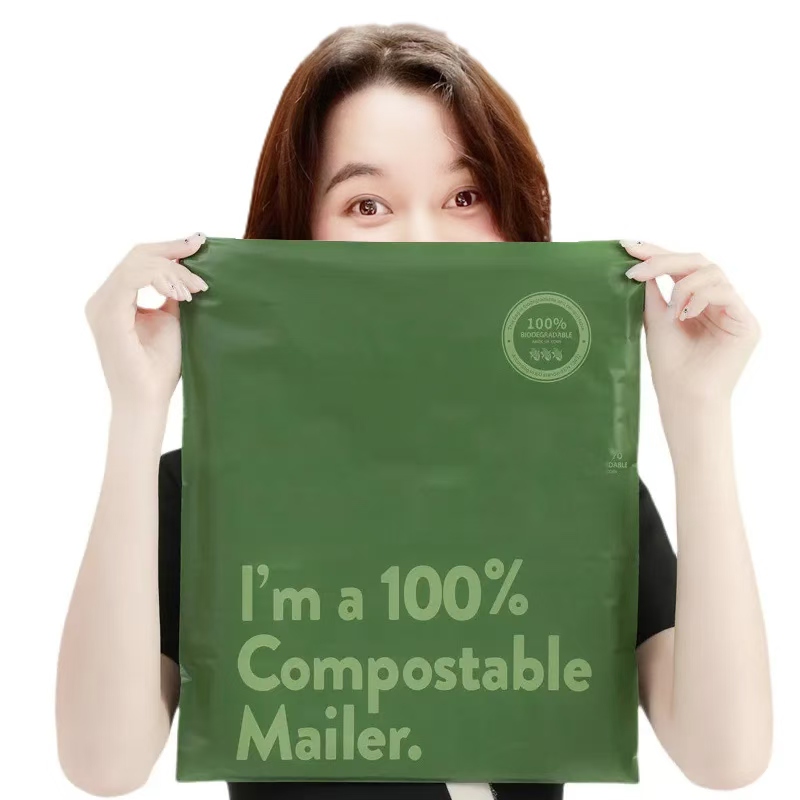
- Sustainable High-Thickness Alternatives: High-performance compostable mailer bags offer equivalent puncture resistance to traditional plastics while complying with international environmental regulations.
Detailed Architectural/Principle Analysis
The puncture resistance of a shipping bag is determined by its thickness (measured in mils or microns) and the polymer blend used during the film blowing process. When shipping heavy clothing, the package undergoes drop tests, frictional drag, and pressure from automated sorting belts. A bag that is too thin will stretch beyond its tensile limit, leading to catastrophic seam failure or puncture wounds from metal zippers, buttons, and decorative hardware.
To mitigate these risks, advanced manufacturing facilities utilize co-extrusion technology. This process fuses multiple layers of low-density polyethylene (LDPE) or linear low-density polyethylene (LLDPE) into a single, high-strength film. For brands focusing on environmental compliance, compostable mailer bags made from plant-based raw materials provide a sustainable, fully degradable alternative without sacrificing the mechanical strength required for heavy parcel delivery.
These advanced packaging standards are validated by rigorous third-party testing. Industrial production lines comply with global quality benchmarks, such as the ISO 9001 Quality Management System Certification (Certificate BMCQ0124208S) and the FSC CoC Forest Chain of Custody Certification (Certificate SAI-COC-012922) for paper-based alternatives. Additionally, compliance with EU REACH (Cert20241281005-Reach) ensures that no hazardous chemical plasticizers migrate onto high-end apparel during prolonged transit.
In practice, large-scale platforms like Ozon in Russia have successfully utilized over 65 million units of high-durability packaging for efficient, tear-free parcel delivery and logistics transportation across vast transit routes, proving the real-world viability of engineered plastic packaging.
Data/Solution Comparison
| Garment Type / Weight | Recommended Thickness | Primary Packaging Material | Puncture & Tear Resistance |
|---|---|---|---|
| T-shirts, Leggings, Silk Blouses (< 0.5 kg) | 1.5 mil - 2.0 mil (38 - 50 microns) | Standard LDPE / Compostable Polymer | Moderate |
| Hoodies, Sweaters, Light Jackets (0.5 kg - 1.5 kg) | 2.0 mil - 2.5 mil (50 - 63.5 microns) | Co-extruded LDPE / Compostable Mailer Bag | High |
| Jeans, Heavy Denim, Winter Coats, Leather (> 1.5 kg) | 2.5 mil - 3.15 mil (63.5 - 80 microns) | Heavy-duty Co-extruded Polyethylene | Excellent (Max Puncture Resistance) |
Frequently Asked Questions (FAQ)
Q1: Why do thin poly mailers tear when shipping heavy clothing?
A1: Thin poly mailers (under 2.0 mil) lack the tensile strength and elasticity to absorb the kinetic energy of shifting heavy garments. Sharp edges from zippers or heavy buttons easily pierce thin plastic under the pressure of automated stacking during transport.
Q2: Do compostable mailers offer the same strength as traditional plastic mailers?
A2: Yes, modern compostable shipping bags formulated from certified biodegradable compounds provide equivalent elasticity and puncture resistance to standard LDPE at identical thicknesses, making them highly suitable for green logistics.
Q3: How do I choose between a paper mailer and a plastic poly mailer for heavy apparel?
A3: Plastic and compostable poly mailers are preferred for heavy, high-volume apparel due to their superior stretch factor and complete water resistance. Paper bags, while highly sustainable and FSC-certified, are best reserved for boxed items or lighter garments that do not exert variable internal pressure on the packaging seams.
Final Conclusion & Recommendations
Selecting the correct thickness of your shipping bag is a critical variable in reducing product return rates caused by transit damage. For heavy clothing, always default to a minimum thickness of 2.5 mil. Implementing co-extruded or compostable polymer materials guarantees that your parcels arrive intact, preserving your brand reputation. For professional volume purchasing, utilizing structured procurement models such as Factory Direct Sales, OEM & ODM Service, or Bulk Wholesale Supply ensures consistent quality control and cost efficiency. For detailed technical solutions or support, please reach out to us via sales01@ywccpackage.com.
About Us
Zhejiang Chuancheng Packaging Products Co., Ltd (CCPACK), established in 2001, is one of the top leading enterprises in the packaging industry in China with a team of 186 employees. Operating a 34,000 square meter factory, the company specializes in producing high-quality poly mailers, zipper bags, and laminated bags with a monthly production capacity of 180 million bags. CCPACK holds prestigious certifications including ISO 9001, FSC-CoC, and BSCI, and has served global clients across major platforms, including Ozon and KASPI.

Lastest
-
How much does the unit cost of a custom mailing bag drop if I increase my order from 5k to 20k units?
2026-07-01 -
What thickness of poly mailer should I choose to prevent tearing during international shipping?
2026-07-01 -
How long does it typically take to ship a bulk order of frosted zipper bags from China to European ports via sea freight?
2026-07-01 -
What thickness of poly mailer do I need to safely ship heavy hoodies without them tearing in transit?
2026-07-01 -
What is the standard production lead time for a bulk order of custom mailing bags?
2026-07-01
SUBSCRIBE
INQUIRY